Mindfulness for Kids & Teens
Helping children and teens build emotional awareness, resilience, confidence, focus, and healthier coping skills through supportive mindfulness-based guidance and counselling.

MINDFULNESS MATTERS
Building Emotional Resilience Through Mindfulness
When we teach mindfulness to children and teens, we equip them with tools to build resilience, boost self-esteem, manage stress, and approach everyday challenges with greater awareness and confidence.
Our program is based on Eline Snel’s internationally recognised Mindfulness Matters Method, used with children and teenagers in schools, hospitals, medical clinics, and other settings around the world. Mindfulness is taught in an accessible, engaging way suited to each child’s developmental stage.
MINDFULNESS BENEFITS
Building Calm, Confidence & Resilience
Mindfulness can support focus, emotional regulation, resilience, confidence, better sleep, healthier relationships, and a greater sense of calm in everyday life.
Improved Focus and Attention
Improved Social Skills and Empathy
Boost School Performance
Enhanced Emotional Regulation
Reduced Stress and Anxiety
Increased Self Awareness
Better Sleep
Increased Resilience and Confidence

SUPPORT FOR EVERY AGE
Mindfulness Designed for Children & Teens
The program is thoughtfully adapted for different developmental stages, helping young people strengthen focus, patience, emotional intelligence, and awareness of their inner and outer experiences.
Age Groups:
Ages 4–7 — Mindfulness for Young Children
Ages 8–12 — Mindfulness for Children
Ages 13–19 — Mindfulness for Adolescents
The Program Can Help Children & Teens:
Feel happier, calmer, and more fulfilled
Experience greater gratitude and appreciation
Build healthier relationships with others
Experience less stress and anxiety
Improve concentration and learning
Enhance performance at school and in other activities
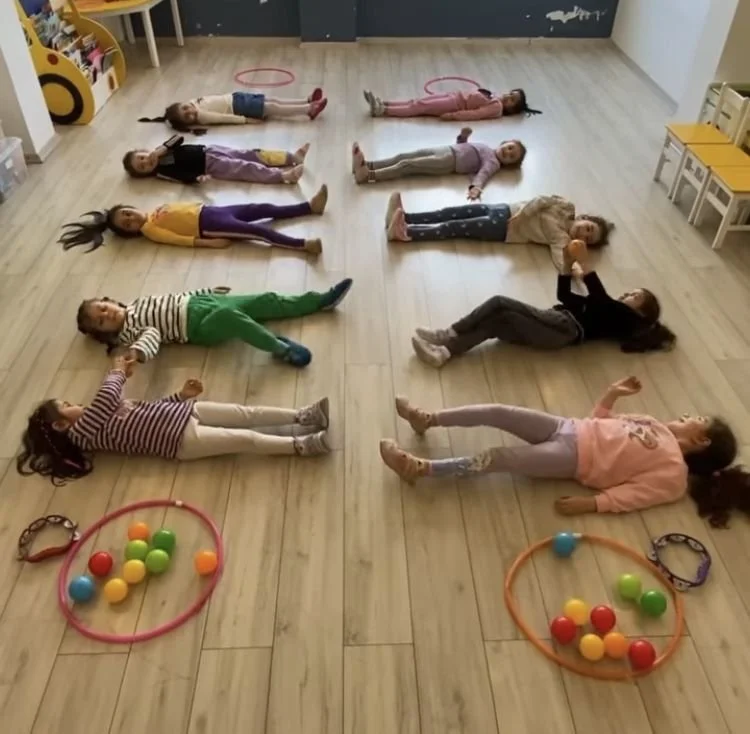
Photo credit: @alev.neto
What Will Children and Teens Learn?
-
Children learn the fundamental skills of observing and focusing. When we can pay attention well, we do everything well. Children will practice directing their attention to the present moment, learning to observe their thoughts and feelings without judgment. The lesson introduces basic mindfulness techniques like focusing on the breath or a chosen object.
-
Children will learn to develop awareness of their body and its sensations. They learn to tune in and listen to the messages their body sends them, such as signs of stress, tension, or relaxation.
Children explore different physical sensations and practice grounding themselves in their bodies through mindfulness exercises.
-
Children will engage their senses and explore the world around them through various sensory experiences. They learn to bring mindful attention to everyday activities like eating, smelling, listening, seeing, and feeling. The lesson encourages children to savor and appreciate the richness of each sensory experience.
-
Children will be taught skills on cultivating patience, having faith in the process, and letting go of expectations. Children learn to embrace uncertainty and change, understanding that some things take time. They practice patience and explore the concept of letting go through mindfulness exercises and reflections.
-
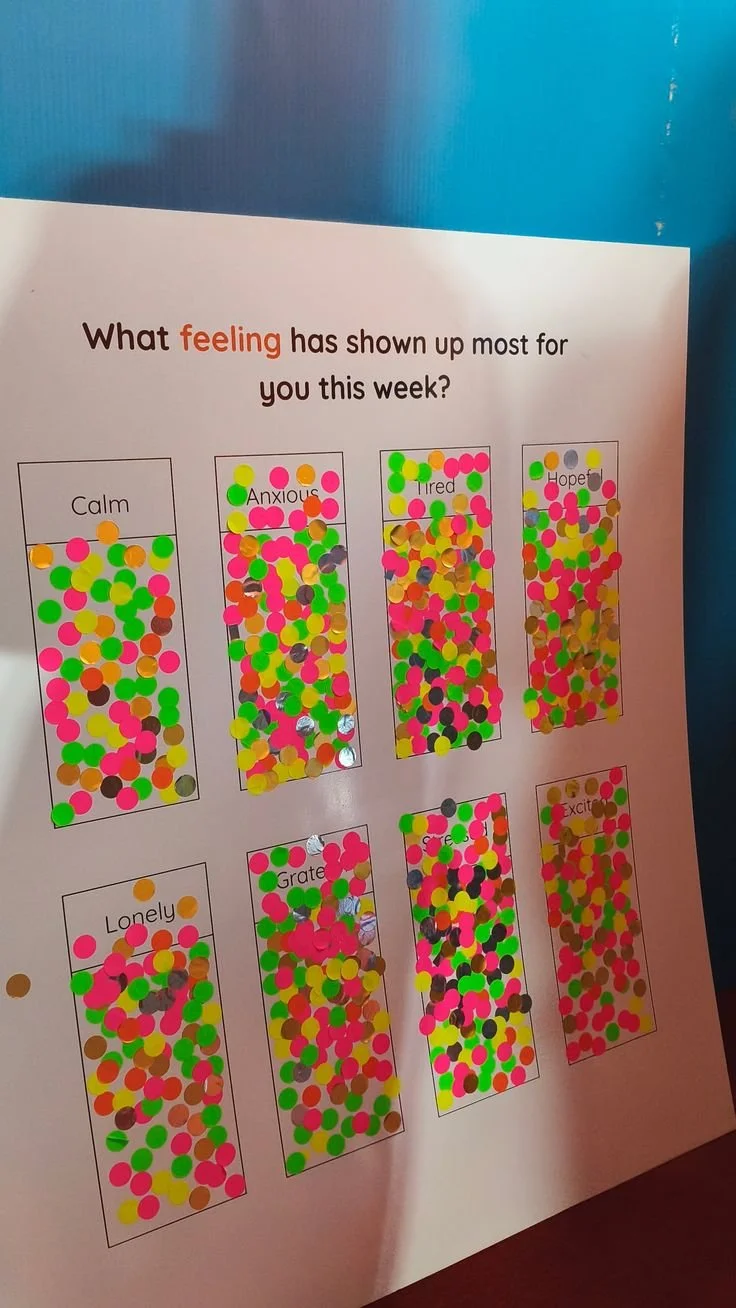
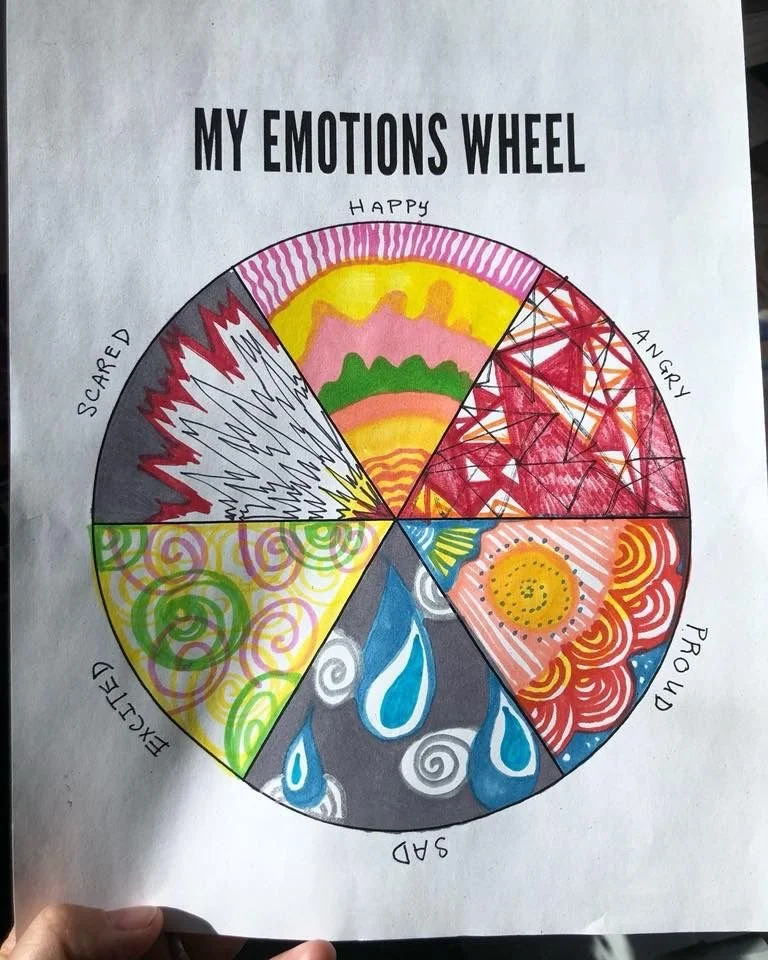
Children will learn about emotions and how to navigate them mindfully. They explore the range of emotions they experience and learn that feelings come and go. Children develop emotional awareness, learning to observe and accept their feelings without judgment, and discovering healthy ways to respond to them.
-
Children will be introduced to the nature of thoughts and the power of their thinking patterns. They learn to observe their thoughts and recognize that thoughts are not facts. Children practice cultivating a curious and non-judgmental attitude towards their thoughts, gaining a greater understanding of the mind-body connection.
-
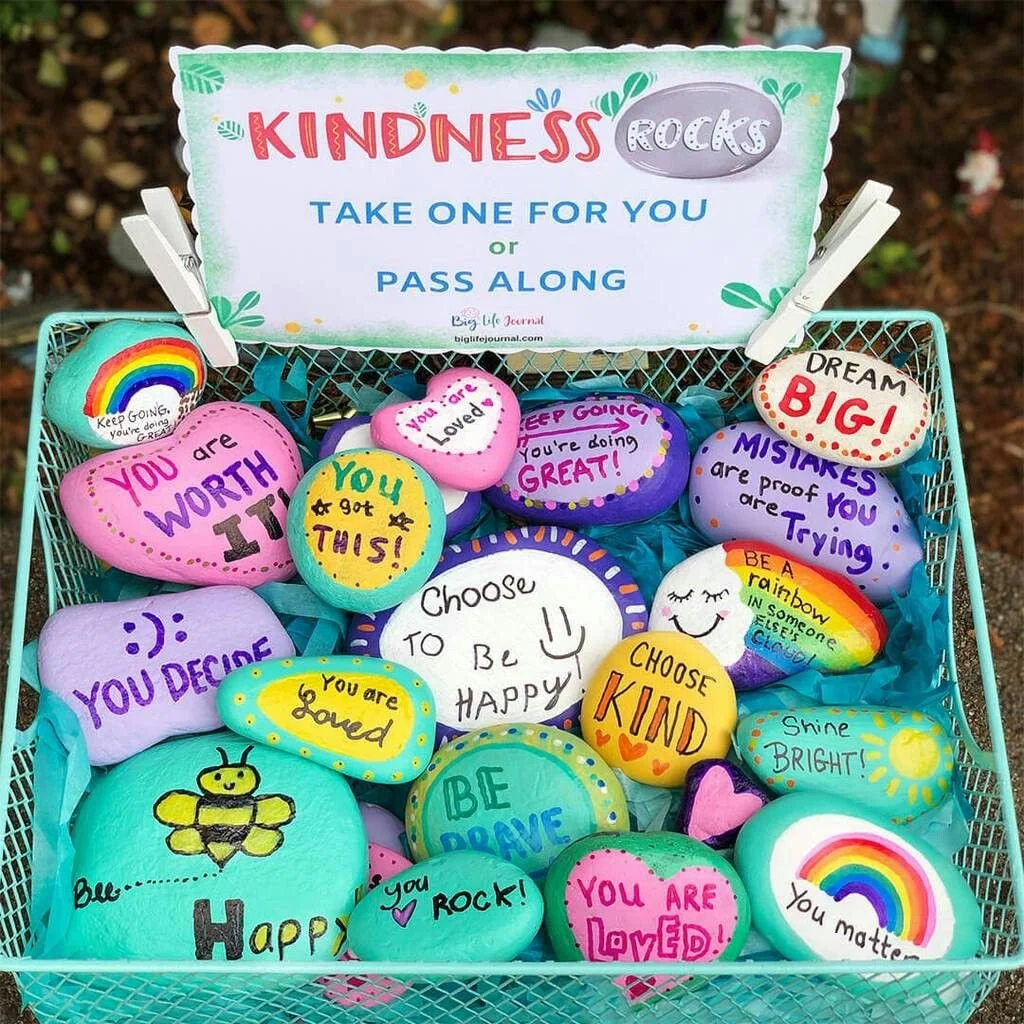
Children will be taught to cultivate kindness and compassion towards oneself and others. Children explore the joy of acts of kindness and learn about the benefits of showing care and empathy. They engage in activities and exercises that promote kindness, fostering a positive and supportive environment.
-
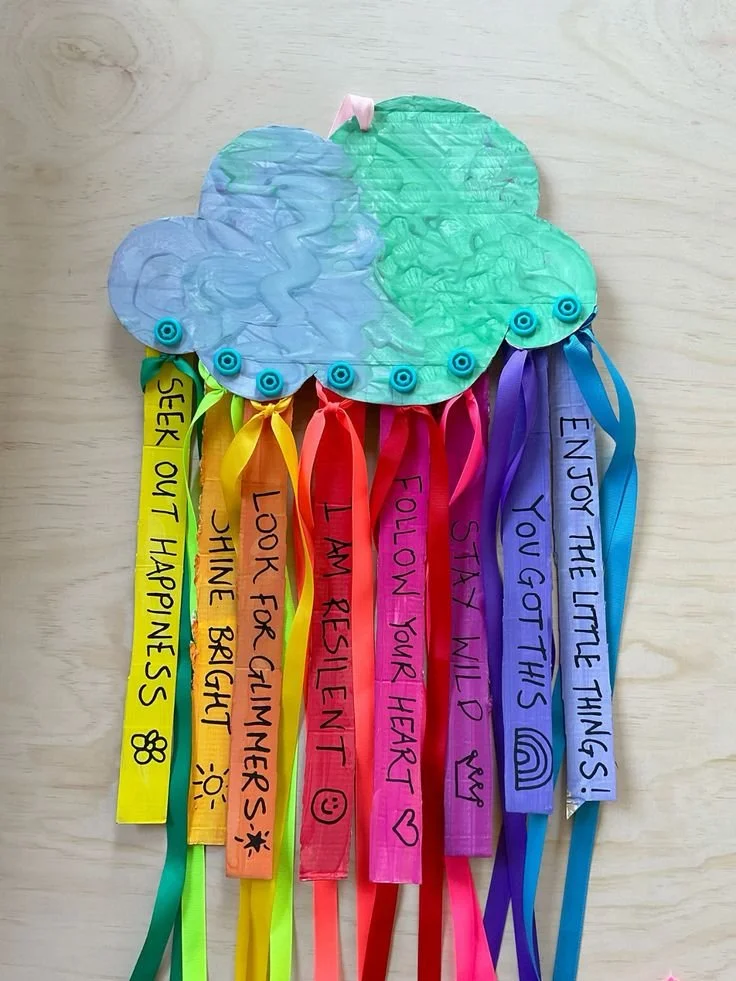
In the final theme, children discover the secret of happiness through mindfulness. They learn that happiness is not dependent on external circumstances but can be found within themselves. Children reflect on the lessons learned throughout the program, deepening their understanding of mindfulness and its role in cultivating happiness and well-being.
-
1. Dealing with Exam Stress
2. The Art of Listening