
Child & Teen Therapy
Compassionate counselling supporting children and teenagers with emotional wellbeing, confidence, resilience, and practical tools to navigate life’s challenges.
Child and Teen Therapy in Hong Kong
Your child may be struggling in ways that are hard to put into words. Perhaps worries have grown, mornings before school have become difficult, emotions arrive with an intensity that surprises everyone, or your teenager has withdrawn from the conversations you used to share.
I offer counselling for children aged three to twelve and for teenagers aged thirteen and above, with an approach matched to your child's age, temperament and understanding. Younger children often express themselves most naturally through play, while teenagers usually want a space of their own to think and talk. In both cases, the aim is the same: to help your child understand what they feel, respond to difficulty with more confidence, and feel supported by the people around them.
Sessions are available in English and Cantonese, in person in Central and online.
Counselling for children (ages 3 to 12)
Young children rarely explain distress directly. They show it instead, through behaviour, physical complaints, changes in sleep or appetite, reluctance to separate from a parent, or difficulty settling at school.
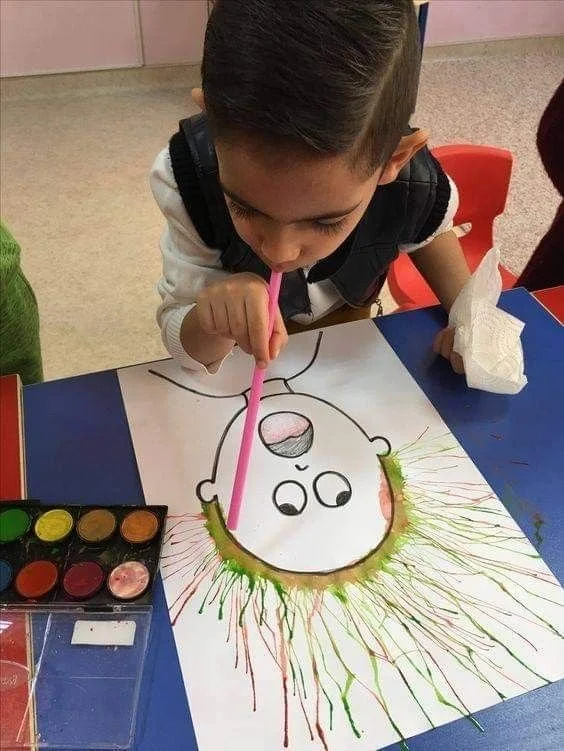
In child centred play therapy, play becomes the means of communication. Through art, stories, sand, figures and imaginative play, children revisit what troubles them at a safe distance and find ways to make sense of it. I follow your child's lead rather than directing the session, which allows them to work at a pace they can manage, and I help them name feelings, recognise what happens in their body, and practise calmer responses.
Concerns I can support in children aged three to twelve include:
Counselling for teenagers (ages 13+)
Adolescence brings academic pressure, shifting friendships, questions about identity and a growing wish for independence, often at the same time. Many teenagers want to talk, yet find it difficult to speak with the people closest to them.
I offer teenagers a confidential space in which they set much of the agenda. We talk about what matters to them, examine the beliefs and expectations they carry, and consider practical ways of managing stress, conflict and self doubt. I explain at the outset how confidentiality works and what I would need to share with parents, so your teenager knows where they stand before we begin.
Concerns I can support in teenagers aged thirteen and above include:
Working with parents
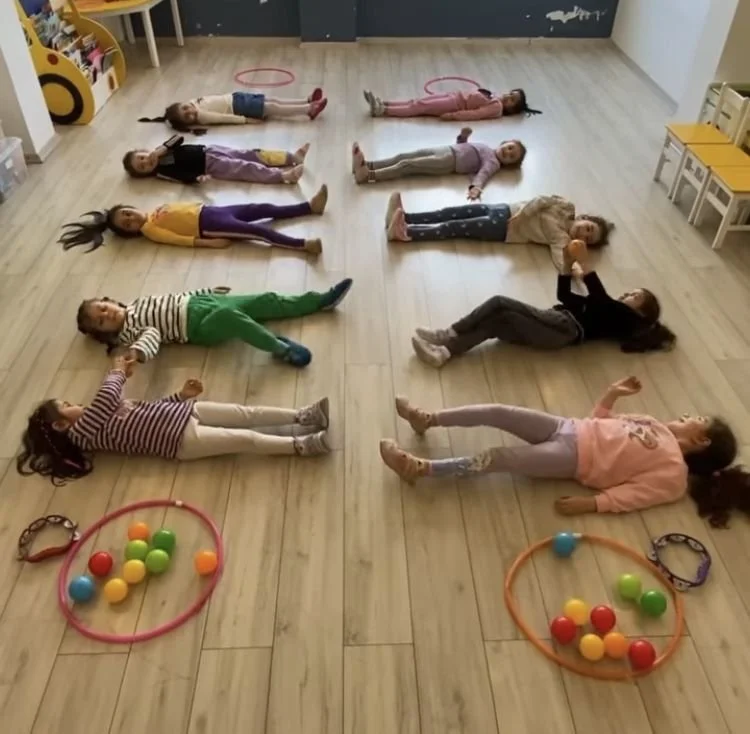
Children and teenagers make the most progress when the adults around them are part of the work. I explain how your child's difficulties may be understood, what helps in demanding moments, and how to respond at home in ways that support the aims of our sessions.
For children up to the age of twelve, parent sessions usually form a regular part of the work. For teenagers, I balance their need for privacy with your need to understand how to help, and I agree that balance with both of you openly. Where it would be useful, I can also liaise with your child's school so that support at home and at school pulls in the same direction.
If your main concern centres on daily parenting rather than your child's own difficulties, positive parenting coaching may suit you better, and we can discuss which option fits your family.
How I work
I usually begin with the parents, to hear your concerns, your child's history and what you hope will change. I then meet your child, at a pace that allows them to feel comfortable before any difficult subject is raised.
My approach draws on child centred play therapy, family systems thinking, schema therapy, mindfulness and work that builds on your child's existing strengths. With teenagers in particular, schema therapy helps us look at the beliefs a young person has formed about themselves and about what to expect from other people, often early and without noticing, and at how those beliefs shape their reactions today. With younger children, the same thinking guides how I understand their behaviour and how I talk with you about it, while the sessions themselves remain led by play.
I hold in mind the wider picture around your child, including school, friendships and family circumstances, because a child's difficulties rarely sit in one place alone.
We agree a focus together and review it as the work develops. Where your child would be better served by a specialist assessment or another form of support, I will say so and help you consider the next step.
Making an enquiry
You do not need a diagnosis, a referral or a clear explanation of the problem before contacting me. A discovery call gives you the opportunity to describe what you have noticed, ask questions and consider whether counselling, a mindfulness programme or parenting support would serve your child best.
I see children aged three to twelve, teenagers aged thirteen and above, and families, in English and Cantonese, in person in Central, Hong Kong, and online. Please get in touch to discuss appointment arrangements.